Madame de Sévigné - the original blogger
Updated: Mar 3

Madame de Sevigne, born four hundred years ago this year (Feb 5, 1626), is renowned in France for writing hundreds of witty, acerbic, and gossipy letters to her absent daughter. She was arguably the world’s first blogger, writes Sheryle Bagwell.
Blogs, those online posts that read like personal diaries but seek public comments, have been around since the beginnings of the Internet. Computer scientist Tim Berners-Lees, the so-called ‘father’ of the Internet, is credited with creating the first blog in 1992 when he shared his progress in developing the World Wide Web and the software used for it. According to AI, there are around 600 million blogs on the internet as of 2023, reflecting a yearning for longer-form community engagement that faster-reactive micro-blogging sites like Twitter and Threads have failed to snuff out.
But was Tim Berners-Lee really the first blogger? Hardly. Bloggers have existed well before the medium arrived that made them ubiquitous. Indeed, my vote for ‘original blogger’ would probably go to a French socialite and noblewoman by the name of Madame de Sévigné who was born exactly four hundred years ago this year. She excelled at social media centuries before there was a media. Before the web and its content creators and influencers – before even newspapers and columnists—there were letters. And Madame de Sévigné was the queen of letter writers.
She wrote hundreds of them during her lifetime—witty, sharp, even gossipy letters, which she addressed mostly to her beloved daughter Françoise who had married and relocated from Paris to far-flung Provence.
Like most innovators, Madame de Sévigné was an early adopter of a new technology that was emerging in the seventeenth century – a national postal service. Suddenly men on horseback could deliver letters to the other side of the country in days — imagine! —and she was determined to make the most of it.
Bereft at the departure of her daughter from Paris, Madame de Sévigné sought to keep Françoise close to her, through correspondence. As a loving mother, she wrote to her daughter about the standard cares – concerns about Françoise’s fragile health and frequent pregnancies, and her even more fragile finances. But as a gifted writer and chronicler of her times, she also despatched funny and revealing updates from the glittering court in Versailles of Louis XIV, the Sun King, where she hovered on the margins.
Madame de Sévigné wrote about the King’s latest mistress (‘quite flat in the rear end’) and of attending a play by Racine in the Royal presence (‘we listened to the tragedy with an attentiveness that was noticed’). Her letters were strewn with bon mots and strong opinions. She once advised a friend, when trapped at the homes of boring acquaintances, to ‘take chocolate that the most unpleasant company seems good to you’. Marriage, she wrote, was ‘a dangerous disorder; I had rather drink’.
So entertaining and informative were Madame de Sevigne’s letters that her family and friends would often read them out loud to assembled guests and pass them around to others, turning what was private into a social media. Knowing this, Madame de Sevigne, like a true blogger, would often write them as little performances, even suggesting the tone in which they should be read.
Letter-writing was a major leap forward for women with literary ambitions. For the first time, talented and opinionated women could write without having to ‘unsex themselves’ as Virginia Woolf once put it. In 17th century France, women had to write under male pseudonyms to get published. But in letters, women like Madame de Sévigné were free to write what they wished without betraying their gender, much to the appreciation of their readers.
Newspapers, which were just emerging, wrote of war and religion, while Madame de Sévigné’s letters spoke of love, life and doctors who failed to cure her rheumatism. She opened a door to a world that had been closed to most – that of the French aristocracy and their ostentatious lifestyles, a century before their destruction. After her death, Madame de Sévigné’s letters would be published to much acclaim and were read down the centuries by the likes of Napoleon, Marcel Proust, and Somerset Maugham. Virginia Woolf called her a ‘genius of the art of speech’.
On the four hundredth anniversary of her birth, Madame de Sévigné will be reclaimed and honoured in France as a woman of extraordinary letters who wrote with a candour and wit that was well ahead of her time. She is up there with the likes of Voltaire and Rousseau; her letters still assigned in French schools and read by Francophiles.
As an Australian journalist who never studied French at school, my introduction to the writings of Madame de Sévigné however came relatively late in life, and by accident. After buying a stone house in a small village in northern Provence, I discovered an old edition of her selected letters in the attic, left behind by a previous owner. The book, and Madame de Sévigné, would become my unexpected companions as I navigated the charms and challenges of my new life in southern France—from irascible neighbours to the intricacies of the French language.
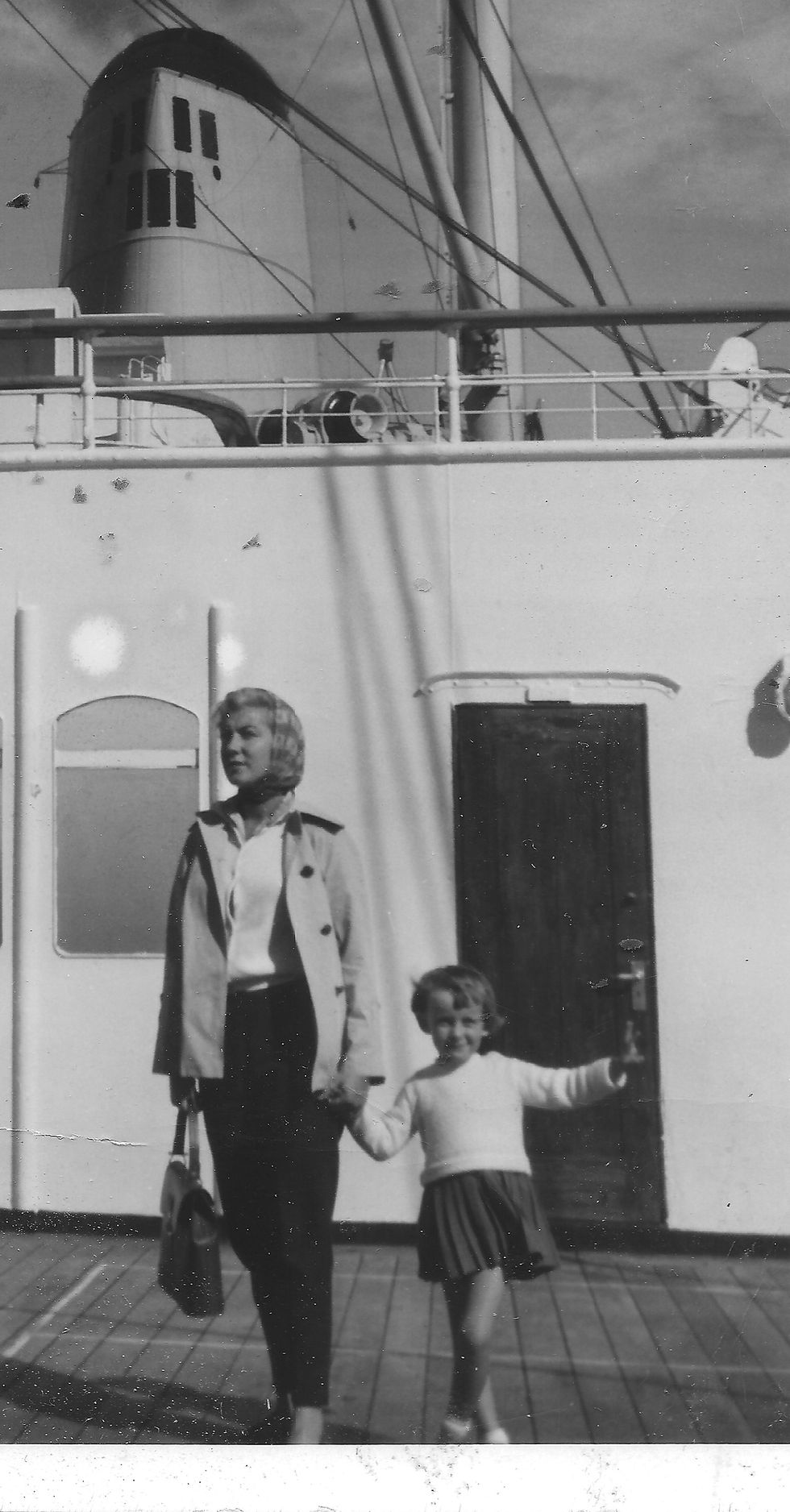
Madame de Sévigné’s ardent letters to an absent daughter would also help me reflect on my own mother, whose thwarted dreams of visiting France I was now fulfilling. Through this centuries-old correspondence, I was able to find a connection to my own past.
But mostly I am in awe of Madame de Sévigné’s letter writing prowess, her pithy and witty observations of the world around her. So, the next time you admire the brilliance of an acerbic 150-word tweet, remember the long path of history which got us here. Madame de Sévigné, wielding her quill and a piece of parchment, did it all before.
Sheryle Bagwell’s new memoir 'Letter from Provence', in which Madame de Sévigné features prominently, is published by Allen & Unwin in March 2026.
And from Allen & Unwin's blog site:

Comments